
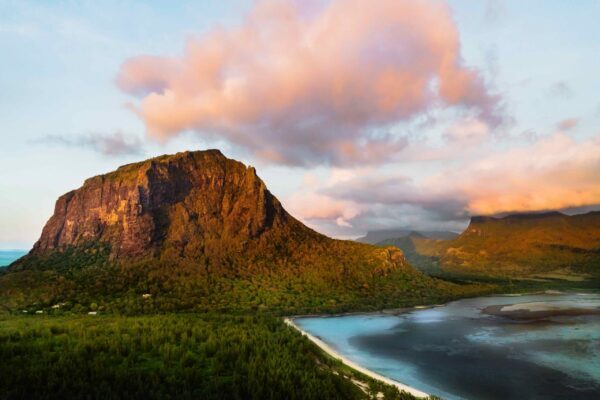
Lord Howe Island limits visitor access by design. With capped numbers and fragile endemic ecosystems, the island doesn’t scale – it resists. This guide outlines how the island functions as a model for low-impact, high-integrity tourism where sustainability isn’t marketed, but embedded. For those navigating Australia’s coast, it marks a threshold, from access to allowance.
What Makes Lord Howe a Conservation Blueprint
The island’s access is not just limited. It is curated. Only 400 visitors are allowed at any given time, a number fixed not by infrastructure but by ecological capacity. The limits are physical, but also behavioral.
In March, at the foot of Malabar Hill, a sign asks hikers to walk in single file to avoid disturbing nesting birds. This is not a suggestion. It is a standard. One that operates through signage, presence, and collective awareness. Many conservation zones rely on regulation. Lord Howe depends on agreement. Local rangers act less as enforcers and more as stewards. Their presence is ambient, observational. Intervention happens, but rarely. Because the rhythm of protection is already in place. Even the island’s trails shift slightly after rains, detouring around growing moss or recent nesting. What was marked in stone yesterday might be rerouted today. And no one complains. Or rather, those who do usually do not return.
This is not an inconvenience. It is an invitation. Into a system that puts ecology before itinerary. One that does not rush. One that does not scale.
Infrastructure That Minimizes Human Presence
There are no ride shares, no streetlights, no sprawling resorts. Instead, paths trace coastlines, and accommodations blend with topography. It is less about comfort and more about calibration.
- Absence of single use plastics in guest areas
- Rainwater collection and solar panels across properties
- Pedestrian navigation no internal transport allowed
- Compost toilets with export only waste quotas
- No intrusion into wild zones footpaths only
Much of the island’s infrastructure operates out of sight. Water systems hum beneath floorboards. Solar arrays adjust incrementally with daylight shifts. In some places, walls are woven from local reed not for effect, but because they breathe. Maintenance is invisible, but precise. Filters are checked before dawn. Compost rotated before guests awake. The absence of visible labor does not mean it is absent. It means the system works.
The result is not rusticity. It is discretion. A form of luxury where human presence is minimal, and ecological impact is less than trace.
Behavioral Norms in a Delicate Environment
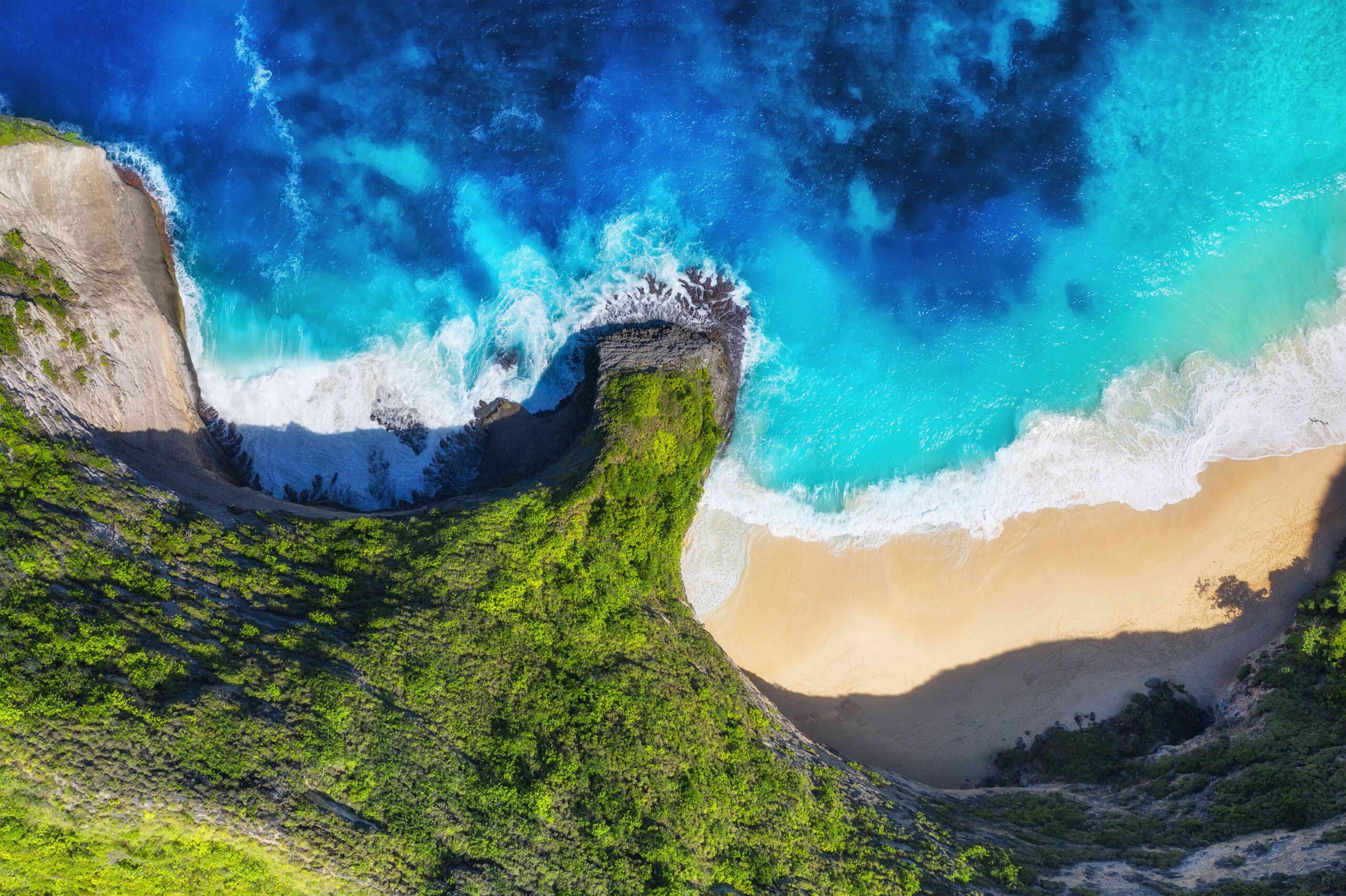 Visitors arrive with assumptions. Then something shifts. The island quiets them. Not through rules but through rhythm. Feeding birds is prohibited. Removing shells is discouraged. Staying on paths is expected. But enforcement rarely happens. Behavior changes anyway.
Watching a forest bird trace the air between vines is not just a visual moment. It cues a shift. From observation to participation. From leisure to respect. The trail narrows. The signs speak plainly. The gesture is small. But layered. Protection protocols apply across marine and land zones. Reef zones require permit based diving. Certain beaches close during nesting. Drones are banned outright. Not for privacy but for avian survival.
What is allowed today might not be tomorrow. That isn’t a glitch in the structure. It is the structure. Adaptive. Self correcting. Some visitors adapt quickly. Others struggle. Most adjust. Or they leave.
The island’s etiquette is not performative. It is ambient. Behavioral change is not a requirement. It is a consequence.
Lord Howe as Part of Australia’s Ethical Travel Network
Lord Howe Island does not operate in isolation. It threads into a wider ethic. Byron Bay, with its early surf rituals and plant based culture. Quokka habitats on Rottnest Island where selfies require restraint. Reefsleep on the Great Barrier Reef where overnight stays recalibrate presence. They are not the same. But they echo.
Internal values travel with travelers. A composting practice begun in Byron becomes default on Lord Howe. A respect for trail boundaries learned in Rottnest applies to nesting beaches here.
This shared code is not coordinated. But it is coherent. Eco hotels across these regions reflect it. Low impact does not mean low design. It means selective presence.
The island is not a destination. It is a continuation. Of a route that favors fewer steps, longer pauses, and more deliberate choices. Not all travelers seek this rhythm. But those who do tend to return. Not always quickly. But eventually.