
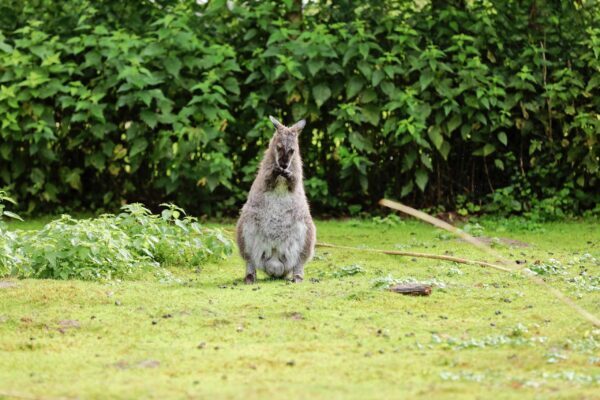
Rottnest Island’s quokkas draw thousands of visitors each year – but responsible tourism means more than snapping a selfie. The key lies in observing these marsupials on their terms, within their habitat. From visitor behavior to park signage, this article outlines what makes an ethical interaction possible – and what small habits travelers can adopt to leave no trace, beyond the shutter click.
What Makes a Selfie Responsible in Wildlife Tourism
Rules are posted, signs are visible, and yet the line between observation and intrusion still blurs. A quokka selfie is not just about framing a marsupial in your feed; it’s about what you do right before and after the click. That pause – often imperceptible – separates a tourist from a participant in responsible tourism.
Late afternoon, on the eastern trail, the light begins to shift. A single quokka edges toward the road, nose twitching. Someone ahead reaches for a snack, but the animal turns away. A nearby plaque, partly obscured by gum leaves, reads: “Observe, don’t feed.”
Rottnest authorities emphasize distance. Interaction must remain passive. No feeding, no touching. The animal’s behavior shouldn’t change because you arrived. In fact, if it does – you’ve gone too far.
This restraint reflects a broader ethic across sustainable travel Australia promotes: that wildlife photography ethics start long before the camera lifts. They begin with how you walk. Or whether you pause. Or whether you leave the frame entirely.
Sometimes, the most responsible action is restraint itself. A deliberate choice not to engage, even when the moment feels perfect. It requires attention – to yourself, to the animal, to the environment you briefly occupy. The best image, perhaps, is the one never taken.
The Ecology of Rottnest and Why Boundaries Matter
Rottnest isn’t just a wildlife site; it’s an isolated ecosystem. Shallow dunes, coastal scrub, salt lakes. A delicately balanced system that responds poorly to disruption. People often assume the island is robust – because it appears abundant. But many systems here regenerate slowly, sometimes imperceptibly.
Unlike reefs where minimal intervention is possible through offshore viewing, Rottnest involves proximity. Feet on ground. Sunscreen on skin. Noise in nesting areas.
Even subtle disruptions accumulate. Trampled vegetation doesn’t spring back overnight. What looks like a shortcut for tourists may be a corridor for nesting birds. Quokkas may shift feeding zones by just a few meters, but over weeks, those shifts affect vegetation, insects, even soil compaction.
Tourist presence alters rhythms. Breeding cycles shift when foot traffic intensifies. Waste patterns affect scavenger behavior. And quokkas, habituated to human movement, sometimes wander into unnatural zones. Not from curiosity – from routine.
Ecotravelist – travel tips, news and reviews – consistently outlines that responsibility lies in preemptive action. Not repairing, but preventing. Knowing when your steps leave no print – and when they echo longer than intended.
Checklist for an Ethical Visit
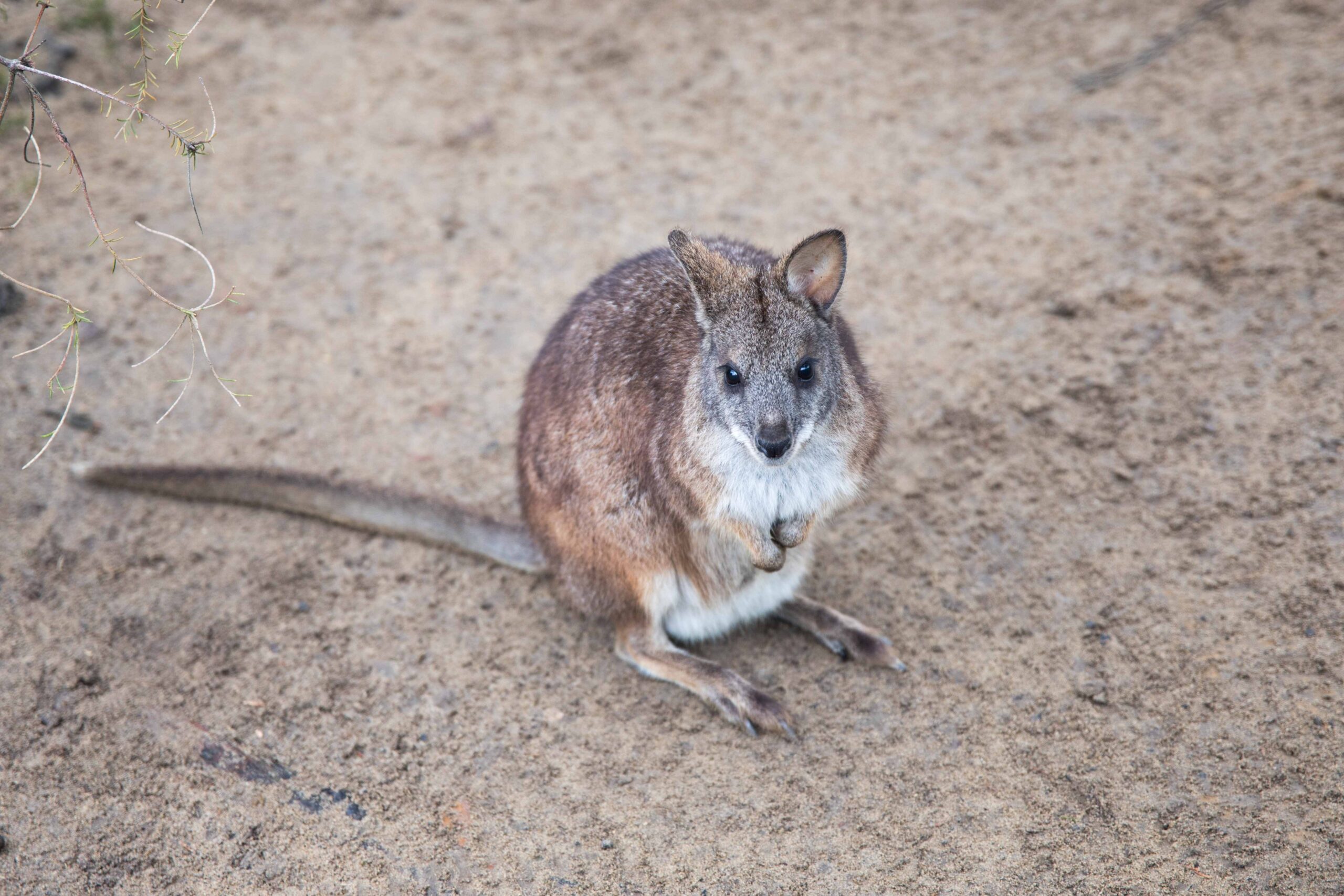 Responsible wildlife encounters depend on structure. The following principles – while basic – anchor traveler behavior in awareness:
- Do not touch or feed animals
- Stick to marked trails
- Respect animal rest periods, especially dusk
- Disable camera flash
- Use eco friendly products
- Leave no waste – not even compostables
- Speak up if others disturb wildlife
Every behavior matters. Even stillness. Especially that. One visitor stepping aside allows ten behind to follow better. It doesn’t always happen. But sometimes it does – and reshapes the entire moment.
Small corrections ripple. A lifted foot, a delayed photo, a quiet explanation to another traveler. None of it shows in the final image – and all of it matters. Guidelines don’t function as constraints; they create room for awareness. When repeated, these gestures compound. Not visibly, but meaningfully.
Rottnest Within a Wider Map of Sustainable Travel
Rottnest Island is often a first stop. Its accessibility from Perth and visual charm make it a frequent headline. But it functions best when seen as part of a broader commitment to ethical wildlife encounters.
Pairing a quokka selfie with mindful surfing in Byron Bay, or with a low-impact sleep beneath the stars via Reefsleep, recalibrates intention. The travel arc stretches. A single photo becomes a series of informed choices.
Sustainable travel Australia offers isn’t isolated to one park or practice. It accumulates across places: coastal, inland, marine. Each demands something slightly different, but echoes the same principle. That you are a guest, not the owner. And guests, ideally, pay attention.
That, perhaps, is the quiet point: a selfie can be the beginning – or the end. It depends not on the animal, but the human. And how much presence they can withhold. A quokka, mid-step, tail curling into sand. A hiker slows down. The light catches a sign: “You are in their home. Act like it.” Then the camera lowers. Or not.