

Slatted bamboo walls, linen reminder cards, filtered water at reception. Eco friendly hotels often arrange these cues near the surface. In practice, sustainable operation involves deeper choices: energy audits, supplier transparency, long-term material planning. Yet in Australia’s east coast properties, the signal may arrive earlier – in how little is explained, and how much simply functions.
Criteria That Signal a Legitimate Eco Hotel
A reused-glass pitcher near the check–in desk. Soap bars wrapped in wax paper instead of plastic. A discreet note on the bathroom mirror about linen cycles. These details greet a guest early, and they often feel like decor. But sometimes, they are more than that.
In hotel operations, eco friendly hotels show their intent through structure. Auditable systems, sourcing records, renewable energy use – these aren’t visual signals. They’re administrative. Often boring. But without them, there’s no foundation behind the green.
Certified compliance isn’t framed on the wall – it’s filed, logged, reviewed. Third–party programs typically require scheduled audits, detailed reporting on emissions, and traceability across vendors. The language is technical. Purposefully so. Because unlike a folded towel or organic soap, these aren’t designed to be seen.
And when they’re missing, something shifts. It’s like entering a room where everything fits, yet something foundational feels undone.
In smaller properties across regional Australia, some cues are physical but quiet. Walls made from compressed hempboard. Reclaimed timber in hallways. Staff who don’t hesitate when asked about composting. No hesitation – that’s a signal too.
Here are five recurring indicators that tend to accompany real effort:
- Third-party environmental certification
- Use of renewable energy and recycled materials
- Support for local communities and sourcing
- Elimination of single-use plastics
- Transparent communication of sustainability efforts
If none of these appear, not on the website, not in practice – it may not be a gap in branding. It may be the whole story.
Common Greenwashing Tactics in Hotel Marketing
Potted bamboo at the entrance. Woven keycard sleeves. A chalkboard with the words “green commitment” beside the elevator. These touches register instantly – and deliberately. But in the rooms: plastic-wrapped cups, full-size conditioners, humming climate control. The mismatch begins to speak. Not loudly, not urgently, but it’s there.
Greenwashing settles in the gaps. Phrases like eco-sensitive, green-friendly, and nature-led appear in menus, room guides, marketing blurbs. But few link to data. Few name vendors. Fewer still provide reduction benchmarks. And when they do, it’s usually buried in footnotes or annual reports no guest will ever read.
Some hotels publish “sustainability journeys,” full of intentions and future promises. But when practices are questioned, answers collapse into vagueness. It’s under review. We’re piloting options. That language isn’t accidental. It protects the performance from the system beneath – from being verified.
In temperate cities like Brisbane or Adelaide, you’ll find buildings covered in solar panels, running central cooling all day. Motion-sensor lighting in halls – but halogen in the rooms. There’s a term for this. But often, it wears no name. It just operates.
Behavioral Cues Inside Eco Friendly Hotels
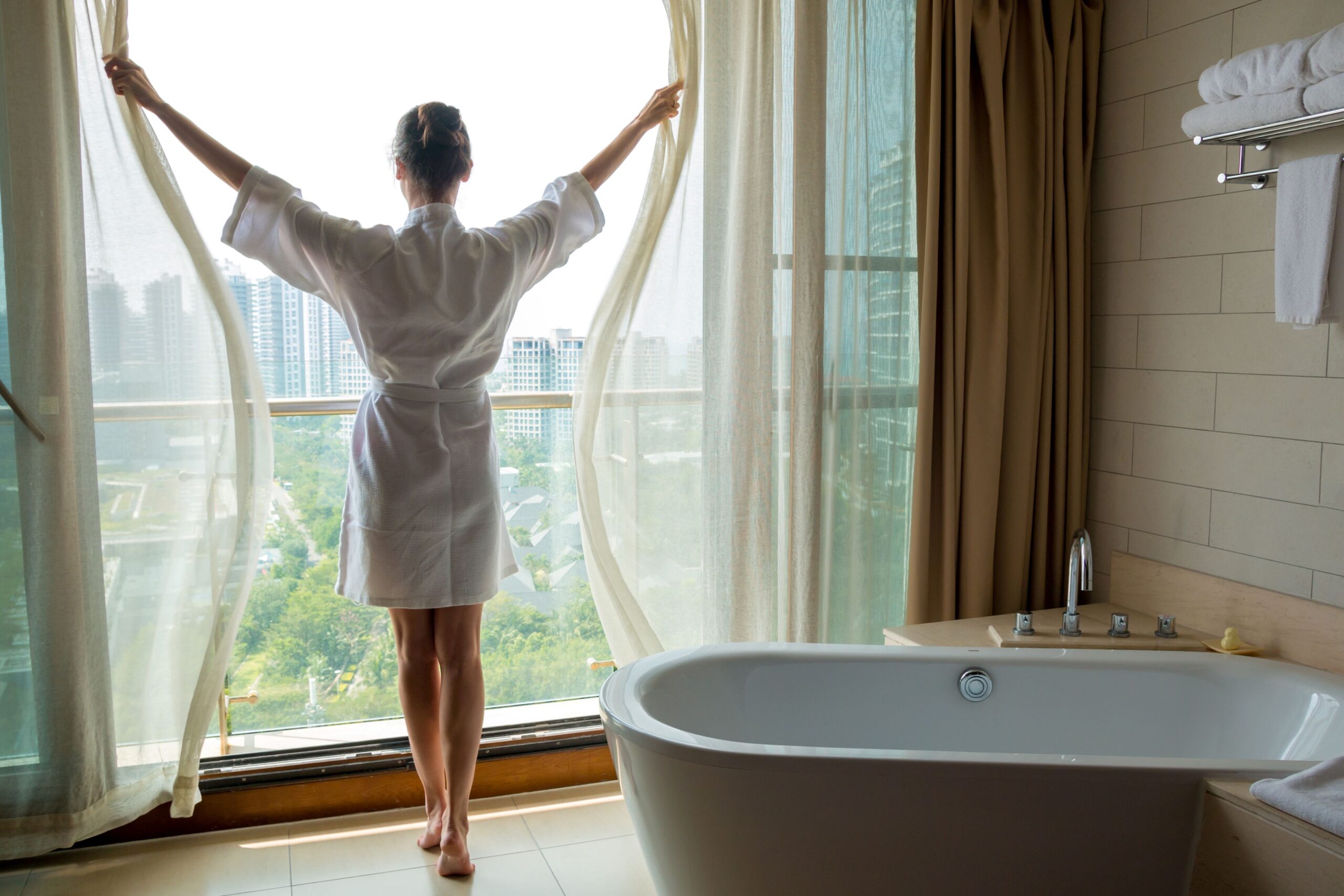 A linen cart waits at the end of the hallway. No sound of vacuuming. No knock. Just a card on the door handle that reads: Let us know when you’re ready. It’s not flashy – but it stays in memory longer than a sticker that says we care.
True sustainability often appears in behavior, not declarations. In one coastal hotel, the receptionist handed over a carafe of filtered water instead of pointing to bottled options. A staff member adjusted the blinds by hand before the heat rose. The guests followed – or perhaps they noticed, then mirrored.
The service model shifts too. Cleaning is offered, not assumed. Linens remain unless requested. Towels have their own unspoken schedule. Eco friendly hotels don’t rely on signage. They rely on pace. Routine replaces reminder.
In older properties along the New South Wales coastline, the logic runs deeper: manual systems, daylight planning, habits built before automation. These aren’t gestures. They’re systems passed on – silently, but structurally.
Sustainable Choices Travelers Can Make
A polished hotel website can showcase reclaimed wood and rooftop gardens. But the real questions often begin two clicks deeper – in a PDF report, or a quiet FAQ section. Travelers don’t always search there. But those who do, notice patterns.
Even the most detailed hotel description doesn’t replace instinct. But a few structured choices help avoid the trap of appearances. These aren’t rules, they’re filters. They operate quietly, offering a way to sift surface aesthetics from structural choices.
- Check for independent environmental certification
- Compare sustainability reports and operational initiatives on the website
- Look through guest reviews using keywords (plastic, waste, local food)
- Prioritize hotels that offer reuse or return programs
- Ask direct questions to hotel staff, when possible
These aren’t difficult steps. But they’re often skipped, especially when booking is rushed, or when eco claims are presented as obvious. In regions like Queensland, where environmental branding is common, these filters become not just helpful, but necessary.
Each action offers more than just ethical alignment – it grants a clearer map. Not always visible. Not always immediate. But over time, it sharpens the view. And what sharpens, tends to stay.